

Review
Content
Video
Review
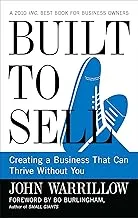
“Book Review: Built to Sell: Creating a Business That Can Thrive Without You by John Warrillow
John Warrillow’s Built to Sell is a must-read for entrepreneurs who aspire to create a business that is both scalable and valuable, one that can operate independently of the founder. Through a compelling and practical approach, Warrillow teaches business owners how to transform their companies into self-sustaining entities, making them attractive to potential buyers. The central message of the book is simple: if your business is too reliant on you, it’s not sellable—and likely not scalable either.
Themes
Creating a Sellable Business: The book’s core theme is about building a business that can be sold, even if selling isn’t the immediate goal. Warrillow argues that a business designed to be sellable is more efficient, scalable, and ultimately, successful. He explains that a company overly dependent on the founder’s day-to-day involvement is not only hard to sell but also hard to grow. The goal is to develop a business model that can run smoothly without the owner’s constant oversight.
Focus on Specialization: A key takeaway from Built to Sell is the importance of specialization. Warrillow emphasizes that businesses trying to offer too many services or products often struggle to grow because they spread themselves too thin. Instead, he advocates for focusing on one core offering—something that can be easily taught, replicated, and systematized. Specialization allows a business to build processes around that core service, making it easier to scale and more attractive to potential buyers.
Systems and Processes: The book stresses the importance of systems and processes to ensure a business can operate without its founder. Warrillow highlights that many small businesses rely on the expertise of the owner, which limits their potential for growth. He offers practical advice on how to document key processes, delegate effectively, and train employees so that they can manage operations independently. This is a crucial step for building a self-sufficient business that can thrive beyond the involvement of the founder.
Recurring Revenue: Another central idea in Built to Sell is the concept of recurring revenue. Warrillow explains that businesses with predictable, recurring revenue streams are more valuable and easier to sell. He encourages business owners to find ways to introduce subscription models, retainer agreements, or other forms of ongoing revenue into their businesses, which increases financial stability and attractiveness to buyers.
The Exit Strategy: While the book focuses on building a sellable business, it also offers insights into preparing for an eventual exit. Warrillow discusses how to position a company for sale by making it more attractive to potential buyers, building a solid management team, and ensuring that the company’s revenue model is scalable and predictable. Even if the goal isn’t to sell immediately, thinking like a seller helps business owners make better strategic decisions for long-term success.
Writing Style
John Warrillow uses a business fable format to deliver his insights, making the book an engaging and easy read. The narrative follows Alex, an entrepreneur who is overwhelmed by his company’s reliance on him. Through advice from his mentor, Ted, Alex learns how to transform his business into something that can operate independently and be sold for a profit. This storytelling approach makes complex business concepts more relatable and accessible.
Warrillow’s writing is clear, concise, and actionable. He avoids dense business jargon and instead offers practical advice that can be applied to real-world scenarios. The lessons from Alex’s story are broken down into digestible steps, making it easy for readers to absorb and implement the strategies in their own businesses.
Overall Assessment
Built to Sell is an incredibly useful book for entrepreneurs, particularly those running small businesses or professional service firms, who find themselves too involved in the day-to-day operations of their company. The book provides a clear, step-by-step guide to creating a business that is not only more efficient but also more valuable in the eyes of potential buyers.
One of the strengths of the book is its simplicity. The concepts Warrillow introduces, such as focusing on a niche offering, creating systems, and developing recurring revenue streams, are straightforward and easy to implement. His focus on specialization is particularly important for service-based businesses that often struggle with scalability.
While the book is aimed at entrepreneurs looking to eventually sell their business, the strategies are equally beneficial for those who simply want to run a more autonomous and scalable company. Even if selling isn’t on the horizon, the idea of building a company that doesn’t require constant owner involvement is universally valuable.
Potential Criticism
Some readers might find the business fable format a bit simplistic, especially if they are looking for more advanced or in-depth analysis. While the book provides solid advice, those running larger, more complex organizations might need to adapt the principles to fit their specific needs. Additionally, while the book emphasizes specialization, some businesses may need to balance multiple offerings, which might require a more nuanced approach than the one Warrillow presents.
Similar Books
If Built to Sell resonates with you, consider reading:
The E-Myth Revisited by Michael Gerber – Focuses on the importance of systems and turning your business into a franchise-like model to achieve scale and success.
The Automatic Customer by John Warrillow – Focuses on building recurring revenue models, which complements the themes of Built to Sell.
Traction by Gino Wickman – Offers a detailed framework for growing and scaling your business, including building strong leadership and operational processes.
Conclusion
Built to Sell by John Warrillow is a practical and insightful guide for entrepreneurs who want to create a business that operates independently and is attractive to potential buyers. By focusing on specialization, systematization, and recurring revenue, Warrillow provides a roadmap to building a more valuable and sellable business. Whether you’re looking to exit soon or simply want to free yourself from the daily grind, the lessons in this book are essential for creating a business that can thrive without you.
“
John Warrillow’s Built to Sell is a must-read for entrepreneurs who aspire to create a business that is both scalable and valuable, one that can operate independently of the founder. Through a compelling and practical approach, Warrillow teaches business owners how to transform their companies into self-sustaining entities, making them attractive to potential buyers. The central message of the book is simple: if your business is too reliant on you, it’s not sellable—and likely not scalable either.
Themes
Creating a Sellable Business: The book’s core theme is about building a business that can be sold, even if selling isn’t the immediate goal. Warrillow argues that a business designed to be sellable is more efficient, scalable, and ultimately, successful. He explains that a company overly dependent on the founder’s day-to-day involvement is not only hard to sell but also hard to grow. The goal is to develop a business model that can run smoothly without the owner’s constant oversight.
Focus on Specialization: A key takeaway from Built to Sell is the importance of specialization. Warrillow emphasizes that businesses trying to offer too many services or products often struggle to grow because they spread themselves too thin. Instead, he advocates for focusing on one core offering—something that can be easily taught, replicated, and systematized. Specialization allows a business to build processes around that core service, making it easier to scale and more attractive to potential buyers.
Systems and Processes: The book stresses the importance of systems and processes to ensure a business can operate without its founder. Warrillow highlights that many small businesses rely on the expertise of the owner, which limits their potential for growth. He offers practical advice on how to document key processes, delegate effectively, and train employees so that they can manage operations independently. This is a crucial step for building a self-sufficient business that can thrive beyond the involvement of the founder.
Recurring Revenue: Another central idea in Built to Sell is the concept of recurring revenue. Warrillow explains that businesses with predictable, recurring revenue streams are more valuable and easier to sell. He encourages business owners to find ways to introduce subscription models, retainer agreements, or other forms of ongoing revenue into their businesses, which increases financial stability and attractiveness to buyers.
The Exit Strategy: While the book focuses on building a sellable business, it also offers insights into preparing for an eventual exit. Warrillow discusses how to position a company for sale by making it more attractive to potential buyers, building a solid management team, and ensuring that the company’s revenue model is scalable and predictable. Even if the goal isn’t to sell immediately, thinking like a seller helps business owners make better strategic decisions for long-term success.
Writing Style
John Warrillow uses a business fable format to deliver his insights, making the book an engaging and easy read. The narrative follows Alex, an entrepreneur who is overwhelmed by his company’s reliance on him. Through advice from his mentor, Ted, Alex learns how to transform his business into something that can operate independently and be sold for a profit. This storytelling approach makes complex business concepts more relatable and accessible.
Warrillow’s writing is clear, concise, and actionable. He avoids dense business jargon and instead offers practical advice that can be applied to real-world scenarios. The lessons from Alex’s story are broken down into digestible steps, making it easy for readers to absorb and implement the strategies in their own businesses.
Overall Assessment
Built to Sell is an incredibly useful book for entrepreneurs, particularly those running small businesses or professional service firms, who find themselves too involved in the day-to-day operations of their company. The book provides a clear, step-by-step guide to creating a business that is not only more efficient but also more valuable in the eyes of potential buyers.
One of the strengths of the book is its simplicity. The concepts Warrillow introduces, such as focusing on a niche offering, creating systems, and developing recurring revenue streams, are straightforward and easy to implement. His focus on specialization is particularly important for service-based businesses that often struggle with scalability.
While the book is aimed at entrepreneurs looking to eventually sell their business, the strategies are equally beneficial for those who simply want to run a more autonomous and scalable company. Even if selling isn’t on the horizon, the idea of building a company that doesn’t require constant owner involvement is universally valuable.
Potential Criticism
Some readers might find the business fable format a bit simplistic, especially if they are looking for more advanced or in-depth analysis. While the book provides solid advice, those running larger, more complex organizations might need to adapt the principles to fit their specific needs. Additionally, while the book emphasizes specialization, some businesses may need to balance multiple offerings, which might require a more nuanced approach than the one Warrillow presents.
Similar Books
If Built to Sell resonates with you, consider reading:
The E-Myth Revisited by Michael Gerber – Focuses on the importance of systems and turning your business into a franchise-like model to achieve scale and success.
The Automatic Customer by John Warrillow – Focuses on building recurring revenue models, which complements the themes of Built to Sell.
Traction by Gino Wickman – Offers a detailed framework for growing and scaling your business, including building strong leadership and operational processes.
Conclusion
Built to Sell by John Warrillow is a practical and insightful guide for entrepreneurs who want to create a business that operates independently and is attractive to potential buyers. By focusing on specialization, systematization, and recurring revenue, Warrillow provides a roadmap to building a more valuable and sellable business. Whether you’re looking to exit soon or simply want to free yourself from the daily grind, the lessons in this book are essential for creating a business that can thrive without you.
“
Content
Video


